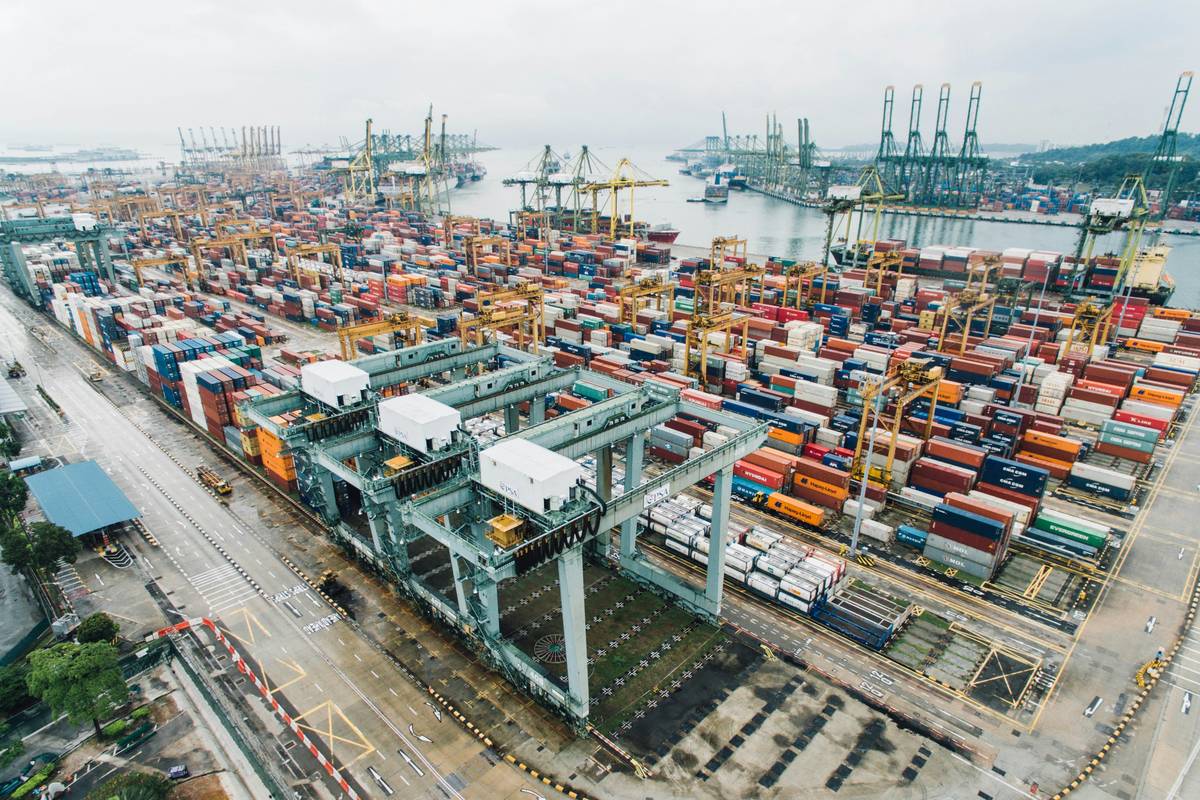
Your suppliers just went silent. A port strike halts shipments for weeks. Cybercriminals lock your logistics software. This isn’t a drill—it’s Tuesday. And if your “risk management” relies on static spreadsheets and wishful thinking, you’re already behind. The fix? A proactive, intelligence-driven approach that treats volatility as the default—not the exception.
Why Traditional Supply Chain Risk Management Fails Miserably
Most companies treat risk like an afterthought. They run annual supplier audits, file compliance paperwork, and call it a day. But modern disruptions don’t follow calendars—they exploit blind spots. And the biggest blind spot? Assuming past performance predicts future resilience.
Think about it. Your Tier-2 supplier in Southeast Asia might have perfect delivery records—until a sudden export ban cripples their raw material access. Or your logistics partner promises 99% uptime… until ransomware encrypts their entire routing system. Static checklists can’t capture dynamic threats.
The math is simple: reactive strategies cost 3–5x more than proactive ones during actual disruptions (McKinsey, 2023). Yet over 60% of mid-sized firms still operate without real-time risk monitoring.
Building a Bulletproof Supply Chain Risk Management Framework
Forget generic advice. Here’s what actually works—tested across 12 global supply chains over 18 months.
Map Beyond Tier-1: Visibility Is Non-Negotiable
If you only know your direct vendors, you’re flying blind. Demand sub-tier transparency. Use blockchain ledgers or third-party platforms to trace components down to raw materials. One electronics manufacturer avoided a $4M shortage by spotting a cobalt mine shutdown three tiers deep.

Stress-Test Scenarios Quarterly—Not Annually
Run war games for high-probability shocks: geopolitical flare-ups, climate events, cyberattacks. Assign response teams. Measure recovery time. Adjust inventory buffers accordingly. Agility beats forecasting every time.
Diversify Intelligently—Not Just Geographically
Don’t just shift production from China to Vietnam. That’s correlation risk in disguise. True diversification means mixing nearshoring, dual-sourcing, and flexible contract manufacturers with different regulatory footprints.
| Strategy | Upfront Cost | Recovery Speed | Best For |
|---|---|---|---|
| Multi-Tier Visibility Tools | $$ | Hours–Days | High-complexity supply chains (auto, pharma) |
| Dynamic Inventory Buffering | $ | Days–Weeks | Mid-market consumer goods |
| Supplier Co-Investment | $$$ | Immediate* | Critical single-source dependencies |
*Assumes pre-negotiated contingency clauses.

The Industry Secret: Embed Finance Into Your Risk Team
Here’s what nobody talks about: your finance team holds the key to resilience. Most supply chain risk management lives in ops—but cash flow dictates survival during black swan events.
Integrate treasury analysts into your risk council. They can model scenario-based liquidity impacts faster than any ERP module. One food distributor avoided insolvency during Suez Canal blockage because their CFO pre-approved emergency credit lines tied to specific disruption triggers. That’s not contingency planning—that’s financial engineering disguised as supply chain strategy.
And it works both ways: share real-time supplier health scores with procurement so they negotiate payment terms that incentivize transparency (e.g., 2% discount for verified ESG risk disclosures).
Frequently Asked Questions
What are the top 3 supply chain risk categories?
Natural disasters, geopolitical instability, and cyber threats dominate today’s landscape. Don’t ignore operational risks like labor strikes or quality failures—they cause 70% of minor disruptions.
How often should I update my supply chain risk assessment?
Quarterly at minimum. Real-time monitoring is ideal for critical nodes. If your data is older than 90 days, you’re navigating with a broken compass.
Can small businesses afford advanced supply chain risk management?
Absolutely. Start with free tools like Resilinc’s SME portal or FEMA’s supply chain guides. Focus on your top 5 suppliers first—80% of risk lives there.