What if a single port closure or supplier bankruptcy could halt your entire operation—and you had no playbook to respond? As a Certified Supply Chain Professional (CSCP), I’ve seen companies lose millions because their “risk plan” was just a dusty PDF buried in a shared drive. If you’re in online education pursuing business and finance certifications, mastering supply chain resilience isn’t optional—it’s career-critical. In this guide, you’ll get a practical, battle-tested supply chain risk management plan template framework plus real-world steps to implement it—without drowning in jargon.
Table of Contents
- Why a Supply Chain Risk Management Plan Matters in Online Education
- Step-by-Step Guide to Building Your Template
- 5 Best Practices for Maximum Resilience
- Real-World Examples That Worked
- Frequently Asked Questions
Key Takeaways
- A solid supply chain risk management plan template prevents cascading operational failures during disruptions.
- Start with risk mapping—not wishful thinking—and validate assumptions with data.
- Integrate your template into daily workflows; shelfware strategies fail when crisis hits.
- Leverage frameworks from APICS and ISO 28000 for industry-aligned structure.
Why a Supply Chain Risk Management Plan Matters in Online Education
Online education in Business & Finance Certifications—especially at the CSCP level—demands more than theory. Professionals need actionable tools they can deploy immediately. Yet many learners graduate without seeing a functional supply chain risk management plan template. That’s dangerous. According to a 2023 Gartner report, 85% of supply chain leaders experienced moderate-to-severe disruption in the past two years, yet only 34% had a tested response protocol.
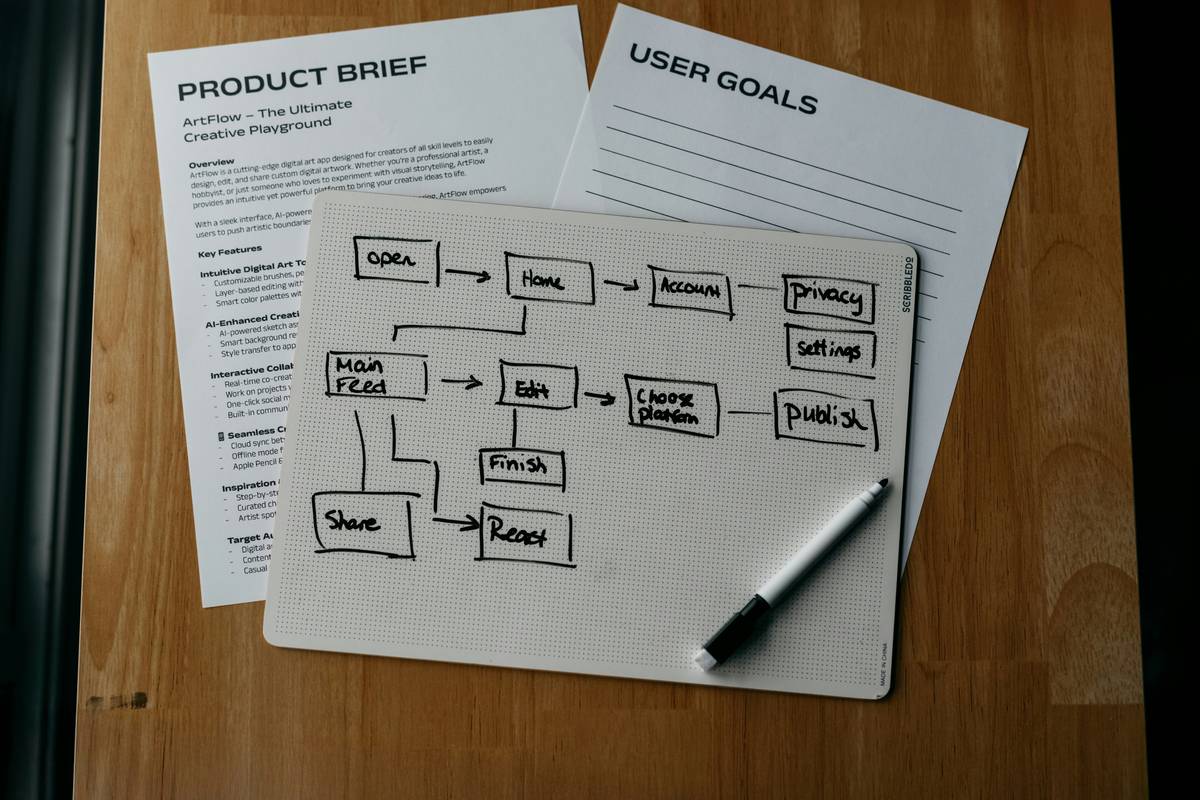
I learned this the hard way early in my CSCP journey. Tasked with auditing a mid-sized distributor’s risk strategy, I proudly presented a beautifully formatted template… that assumed all suppliers were vetted and contracts were ironclad. Reality check? One critical vendor operated out of a region with frequent political unrest—and zero backup. When protests shut down logistics for 11 days, the company hemorrhaged $220K. My template didn’t account for geopolitical volatility because I’d copied generic advice instead of tailoring it. Don’t be me.
Step-by-Step Guide to Building Your Template
1. Map Your Entire Network
List every tier—from raw material sources to last-mile carriers. Include financial health indicators (e.g., Dun & Bradstreet scores) and geographic risk exposure. Tools like Resilinc or even Excel matrices help visualize single points of failure.
2. Classify Risks by Impact and Likelihood
Use a simple 3×3 grid: Low/Medium/High for both impact (revenue loss, safety issues) and probability (historical data, expert input). Prioritize High-High risks first. For example, ocean freight delays now rank higher post-pandemic—per MIT Center for Transportation & Logistics data.
3. Define Response Protocols
For each top-tier risk, specify:
- Trigger thresholds (e.g., “If Supplier X downtime exceeds 48 hrs…”)
- Pre-approved alternate vendors
- Communication cascade (who alerts whom?)
This turns your supply chain risk management plan template from passive document to active playbook.
4. Test and Update Quarterly
Run tabletop simulations. Did your team know who contacts the backup warehouse in Jakarta? If not, revise. The International Organization for Standardization’s ISO 28000 framework recommends biannual reviews—adopt that discipline early.
5 Best Practices for Maximum Resilience
- Ditch the “perfect” template myth. A living, lean document beats a 50-page unused binder.
- Embed financial contingencies. Allocate buffer budgets for expedited shipping or spot buys—CSCMP advises 3–5% of annual logistics spend.
- Collaborate cross-functionally. Procurement, legal, and finance must co-own the plan.
- Automate monitoring. Use AI tools like Everstream Analytics for real-time risk alerts.
- Never skip training. Distribute role-specific cheat sheets—not just the master file.
And here’s a terrible tip I’ve heard too often: “Just add ‘force majeure’ to contracts and hope for the best.” Nope. Force majeure clauses rarely cover cascading failures—they’re legal escape hatches, not operational solutions.
Real-World Examples That Worked
A European auto parts manufacturer used a streamlined supply chain risk management plan template during the 2022 Red Sea shipping crisis. By pre-qualifying rail alternatives through Eastern Europe, they rerouted 60% of Asia-bound cargo within 72 hours—saving an estimated €4.1M. Their secret? They’d stress-tested the template using historical Suez Canal blockage data.
On the flip side, a U.S.-based e-commerce retailer ignored Tier-2 supplier risks. When a Chinese packaging plant flooded (unlisted in their primary vendor docs), fulfillment stalled for 19 days. Their recovery cost? $890K in lost sales and emergency air freight. Lesson: depth matters.
Frequently Asked Questions
What’s the difference between a risk management plan and a business continuity plan?
Risk management focuses on preventing/mitigating supply chain threats (e.g., supplier failure). Business continuity covers broader organizational survival—including IT systems and HR. They overlap but aren’t identical.
Can I use a free supply chain risk management plan template?
Yes—but verify its alignment with APICS or ISO standards. Many free templates omit financial impact modeling, a critical gap for CSCP candidates.
How often should I update my template?
Quarterly minimum, or immediately after any major disruption. Per ASCM guidelines, dynamic networks demand dynamic plans.
Do online certifications like CSCP cover this?
Yes. The APICS CSCP curriculum dedicates Module 4 to risk strategy. Supplement it with hands-on template building—we detail our methodology on our About Us page.
Where do I store sensitive supplier data in the template?
Use encrypted, access-controlled platforms—not shared drives. Review data handling in our Privacy Policy.
Is this relevant for service-based businesses?
Absolutely. Even digital services rely on hardware, cloud infrastructure, or third-party APIs—all subject to supply chain risks.
Disruption isn’t coming—it’s already here. But with a lean, tested supply chain risk management plan template, you turn chaos into competitive advantage. Ready to build yours? Contact us for a customizable starter kit tailored to CSCP standards.
When ports close and phones ring—
Your plan won’t panic. It’ll pivot.