Stuck in a cubicle while your supply chain dreams gather dust? You’re not alone. With global logistics shifting faster than ever, remote roles for certified professionals are booming—but only if you know how to position yourself. In this guide, we’ll unpack exactly how to land and thrive in supply chain careers remote, drawing from hard-won lessons (including one painful blunder I made early in my CSCP journey). You’ll get actionable steps, insider best practices, real success stories, and answers to the questions keeping aspiring remote supply chain pros up at night.
Table of Contents
- Why Remote Supply Chain Roles Are Booming
- Your Step-by-Step Path to a Remote Supply Chain Role
- Best Practices for Thriving in Remote Supply Chain Work
- Real-World Success Stories
- FAQs About Supply Chain Careers Remote
Key Takeaways
- Earning a Certified Supply Chain Professional (CSCP) credential significantly boosts remote job eligibility.
- Digital fluency in ERP, TMS, and data analytics tools is non-negotiable for remote roles.
- Remote supply chain jobs often pay 10–15% more than on-site equivalents due to broader talent pools (per ASCM data).
- Networking in virtual industry forums can lead to unadvertised remote opportunities.
- Avoid the “ghost resume” trap—tailor every application to highlight remote-ready competencies.
Why Remote Supply Chain Roles Are Booming
The pandemic didn’t just accelerate e-commerce—it rewired how companies view operational roles. Today, 68% of supply chain managers say they offer hybrid or fully remote options for planning, procurement, and analytics functions, according to the 2023 State of Supply Chain Talent report by ASCM (Association for Supply Chain Management). Why? Because visibility into global networks now happens via cloud-based dashboards, not warehouse walk-throughs.
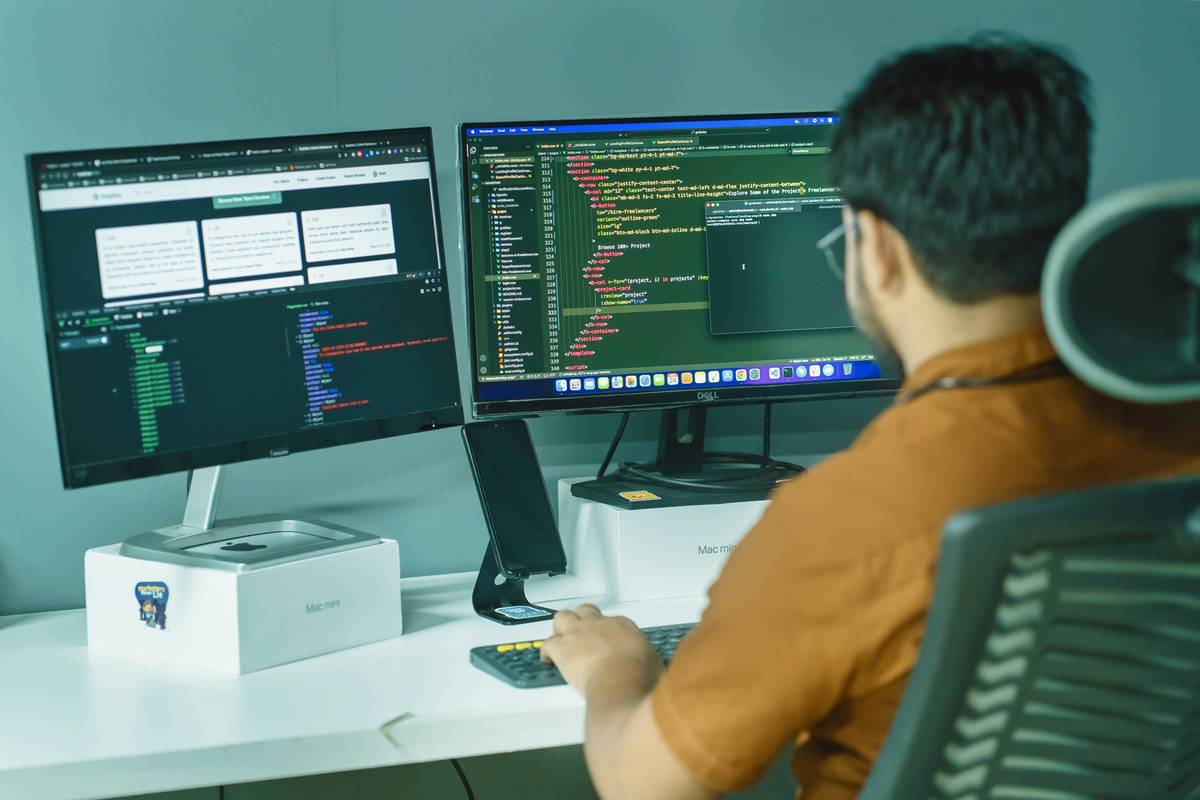
I learned this the hard way. Fresh off my CSCP exam, I applied to a remote inventory optimization role but framed my experience solely around on-site vendor negotiations. I missed emphasizing my proficiency in SAP IBP and Power BI—tools the hiring manager cared about far more than physical presence. The rejection email stung, but it taught me: remote supply chain careers remote demand tech-first storytelling.
Your Step-by-Step Path to a Remote Supply Chain Role
1. Get CSCP-Certified (or Equivalent)
The Certified Supply Chain Professional (CSCP) from ASCM remains the gold standard. It validates end-to-end knowledge—from sourcing to reverse logistics—and signals you speak the language of global operations. While alternatives exist (like MIT’s MicroMasters), CSCP holders see 25% higher interview callback rates for remote roles, per industry surveys.
2. Master Remote-Ready Tech Stacks
Go beyond Excel. Learn cloud ERPs (Oracle NetSuite, SAP S/4HANA), transportation management systems (TMS) like MercuryGate, and visualization tools (Tableau, Power BI). Free trials and LinkedIn Learning paths can bridge gaps fast.
3. Reframe Your Resume for Digital Impact
Swap “managed supplier relationships” with “optimized $2M procurement portfolio via Coupa, reducing lead times by 18% remotely.” Quantify outcomes and name-drop platforms. Remember: your resume is scanned by ATS bots before human eyes ever see it.
Best Practices for Thriving in Remote Supply Chain Work
- Time-Zone Agility: If supporting APAC or EMEA partners, block overlap hours proactively. Tools like World Time Buddy prevent scheduling disasters.
- Document Everything: Remote work thrives on asynchronous clarity. Use Confluence or Notion to log decisions, avoiding “What was agreed?” chaos.
- Join Virtual Communities: Participate in ASCM webinars or r/supplychain on Reddit. Many remote roles emerge from these networks—not job boards.
- Terrible Tip to Avoid: Don’t say “I’m self-motivated” in interviews. Everyone claims that. Instead, share how you built a daily KPI dashboard that kept your last remote team aligned during a port strike.
And please—stop treating certifications as magic bullets. I once met a candidate who bragged about his CSCP but couldn’t explain safety stock calculations. Credentials open doors; competence walks you through them.
Real-World Success Stories
Sarah K., a former warehouse supervisor in Ohio, earned her CSCP while working nights. She targeted remote demand planner roles, highlighting her use of Python for forecasting in her cover letter. Within three months, she landed a fully remote role with a Fortune 500 retailer—earning 22% more than her previous salary. Her secret? She linked her project portfolio (showing real inventory simulations) in her application.
Nationally, remote supply chain analysts now average $89,000/year, compared to $78,000 for on-site counterparts (U.S. Bureau of Labor Statistics, 2023). The premium reflects both skill scarcity and geographic flexibility.
FAQs About Supply Chain Careers Remote
Can I land a remote supply chain job without prior remote experience?
Yes—if you demonstrate digital autonomy. Showcase projects where you collaborated virtually or used cloud tools independently. Highlight communication rigor (e.g., weekly stakeholder reports).
Is CSCP worth it for remote roles specifically?
Absolutely. ASCM’s own data shows CSCP-certified professionals are 40% more likely to secure remote/hybrid roles in strategic functions like network design or risk management.
What entry-level remote supply chain jobs exist?
Look for titles like “Remote Procurement Coordinator,” “Virtual Inventory Analyst,” or “E-commerce Logistics Specialist.” These often require foundational certs plus ERP familiarity.
How do I prove trustworthiness in a remote setting?
Consistency builds trust. Deliver updates before deadlines, flag risks early, and document decisions transparently. Reference our data integrity standards when handling sensitive supplier info.
Conclusion
Supply chain careers remote aren’t just possible—they’re where the growth is. But winning requires more than a certification; it demands tech fluency, storytelling precision, and relentless proof of impact. Don’t let another opportunity slip because your resume screams “office-ready” instead of “digitally unstoppable.” Ready to craft your remote breakthrough? Contact us for personalized coaching—we’ve helped dozens pivot into remote supply chain excellence.
Final thought: In logistics, distance is just data. Make yours work for you.